

When Minnie Riperton’s “Lovin’ You” reached the top of the Billboard Hot 100 in 1975, listeners heard a voice that seemed almost impossible. Its delicate melody, soaring high notes and birdsong-like flourishes made the recording instantly recognizable. The song sounded effortless and full of happiness. Yet only a short time later, Riperton would face a devastating diagnosis that changed the course of her life.
Her story is not that she recorded “Lovin’ You” while secretly dying of cancer. The song had already become a hit before she learned she had breast cancer. The remarkable part is what came afterward: while undergoing treatment and living with an advanced illness, Riperton continued to make music and used her public profile to encourage other women to speak openly about breast cancer.
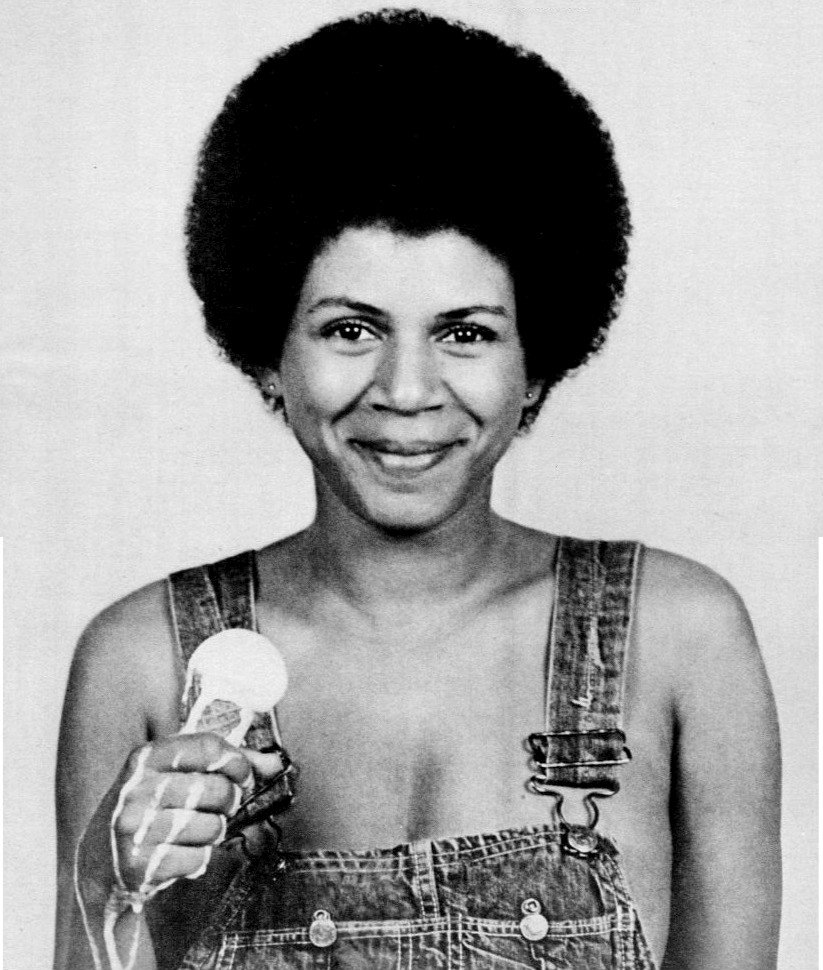
A remarkable voice from Chicago
Minnie Julia Riperton was born in Chicago on November 8, 1947. She studied music from a young age and developed exceptional control of her voice. As a teenager, she became involved with the Chicago music scene, eventually recording with the girl group the Gems. She later became the lead singer of the experimental soul group Rotary Connection, whose adventurous sound introduced her to a wider audience.
Riperton’s voice was unusually flexible, moving from warm, expressive lower notes to a bright whistle register. Biographies frequently describe her range as five octaves, although exact range claims should be treated cautiously. What listeners can hear for themselves is the extraordinary control and clarity she brought to her performances.
How “Lovin’ You” became a hit
In 1974, Riperton released Perfect Angel, an album produced with the involvement of Stevie Wonder, who was credited under the name El Toro Negro. One of its songs was “Lovin’ You,” written by Riperton and her husband, songwriter Richard Rudolph.
The recording was gentle and intimate rather than built around a dramatic arrangement. Riperton’s voice carried the melody, rising into its distinctive high register. The birds heard near the end were part of the recording’s natural atmosphere, helping give the song its peaceful, almost garden-like feeling. The melody had also been used in a recording loop to soothe the couple’s young daughter, Maya.
Released as a single in late 1974, “Lovin’ You” climbed the American charts and reached No. 1 on the Billboard Hot 100 on April 5, 1975. It became Riperton’s signature song and introduced her remarkable voice to millions of listeners.
A diagnosis that changed everything
In January 1976, Riperton was diagnosed with breast cancer. She underwent a radical mastectomy that year. The cancer had already spread by the time it was discovered, and the prognosis was grave. She was only 28 years old.
Riperton and Rudolph were raising two young children, Marc and Maya. The illness brought an immense personal challenge to a family whose professional life had only recently been transformed by the success of “Lovin’ You.” Her diagnosis came after the song’s rise to the top of the charts—not during its recording, as some dramatic retellings incorrectly suggest.
Turning a private struggle into public advocacy
At a time when breast cancer was often discussed in hushed tones, Riperton chose to speak publicly about her diagnosis. She did not present herself as someone untouched by illness. Instead, she shared her experience and encouraged women to take breast health seriously and seek medical attention.
She became a spokesperson for the American Cancer Society and took part in public awareness work. Her willingness to discuss a deeply personal illness helped bring attention to a subject that many people found difficult to talk about.
On April 4, 1977, President Jimmy Carter presented Riperton with the Cancer Courage Award at the White House on behalf of the American Cancer Society. In his remarks, Carter praised her frankness about her illness and the encouragement she offered to others facing the disease. Riperton accepted the recognition on behalf of cancer patients, saying she hoped that sharing her experience had made life easier for people confronting a similar situation.
She continued to record and perform
Despite treatment and the progression of her illness, Riperton continued working. She recorded new music, appeared on television and performed during the years that followed her diagnosis. Her later recordings included the albums Stay in Love and Minnie, the latter completed in 1979.
Her final years were not a simple story of smiling through pain. Cancer and its complications affected her health, and the disease eventually limited her ability to perform. Accounts of her last appearances show how seriously ill she had become. Still, she remained an artist and an advocate for as long as she could.
The life and legacy of Minnie Riperton
Minnie Riperton died in Los Angeles on July 12, 1979, at the age of 31. Her daughter Maya was six years old. The loss was devastating for her family and for listeners who had come to recognize one of the most distinctive voices in American soul music.
Maya Rudolph later built a successful career as an actor and comedian. Her mother’s musical legacy, meanwhile, continued to reach new audiences. “Lovin’ You” remains familiar across generations, its gentle melody and extraordinary vocal performance still drawing listeners back to the original recording.
Riperton’s legacy is larger than one hit song. She was a gifted musician whose career included adventurous soul recordings, a chart-topping single and a willingness to speak publicly about breast cancer when doing so was difficult. Her advocacy did not erase the reality of her illness, but it gave her experience a public purpose.
Her story also belongs in a wider history of women who brought attention to health and safety issues that had been overlooked. Read our story of the Radium Girls, the factory workers whose fight changed workplace safety, for another account of women whose experiences helped bring hidden dangers into public view.
Listening to “Lovin’ You” today, it is possible to hear both the joy of the performance and the remarkable life behind it. The song was created before her diagnosis, but the courage she showed afterward became an inseparable part of how many people remember Minnie Riperton: as an artist whose voice brought beauty into the world, and whose openness helped others face a frightening disease.
Sources and further reading
- Concern Foundation – Minnie Riperton Legacy Fund
- The American Presidency Project – President Carter’s April 4, 1977 Cancer Courage Award remarks
- Billboard Book of Number One Hits – “Lovin’ You” chart history
- AllMusic – Minnie Riperton biography
- Los Angeles Times – Minnie Riperton, “Lovin’ You” and her musical legacy